2026-12-12 · 3 min read
Wood vs Gas vs Smokeless: Which Fire Pit Fits Your Backyard and Budget?
The fire pit aisle is genuinely confusing: crackling wood rings, push-button gas burners, double-wall "smokeless" stoves — each with passionate fans…
By AeternusVita
We make the products recommended here.
The fire pit aisle is genuinely confusing: crackling wood rings, push-button gas burners, double-wall "smokeless" stoves — each with passionate fans and very different costs, chores, and rulebooks. Here is an honest comparison so you buy the fire experience you will actually use, not the one that photographs best.
Wood-burning: maximum atmosphere, maximum involvement
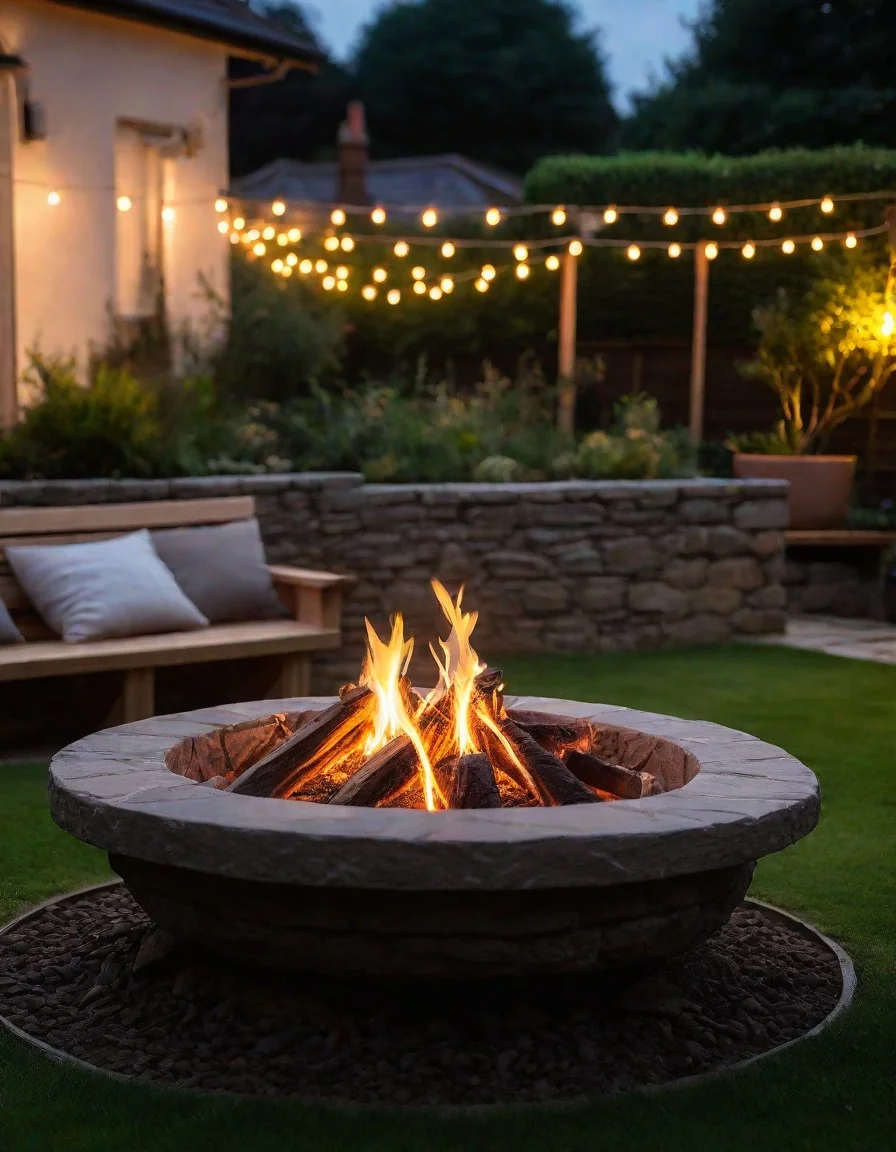
Nothing matches real wood for crackle, scent, and ritual — and basic paver or steel-ring pits are the cheapest builds going, often just the cost of block and gravel over a weekend. The price is ongoing labor: sourcing and storing seasoned hardwood, hauling it, lighting and tending the fire, managing smoke direction, and cleaning ash.
Wood also faces the strictest rules. Burn bans hit wood first, smoke annoys neighbors fastest, and sparks demand the biggest clearances and closest supervision. If your area restricts open burning or your yard sits tight between neighbors, verify what is allowed before falling in love with the woodpile aesthetic.
Gas: push-button ease at a higher install cost
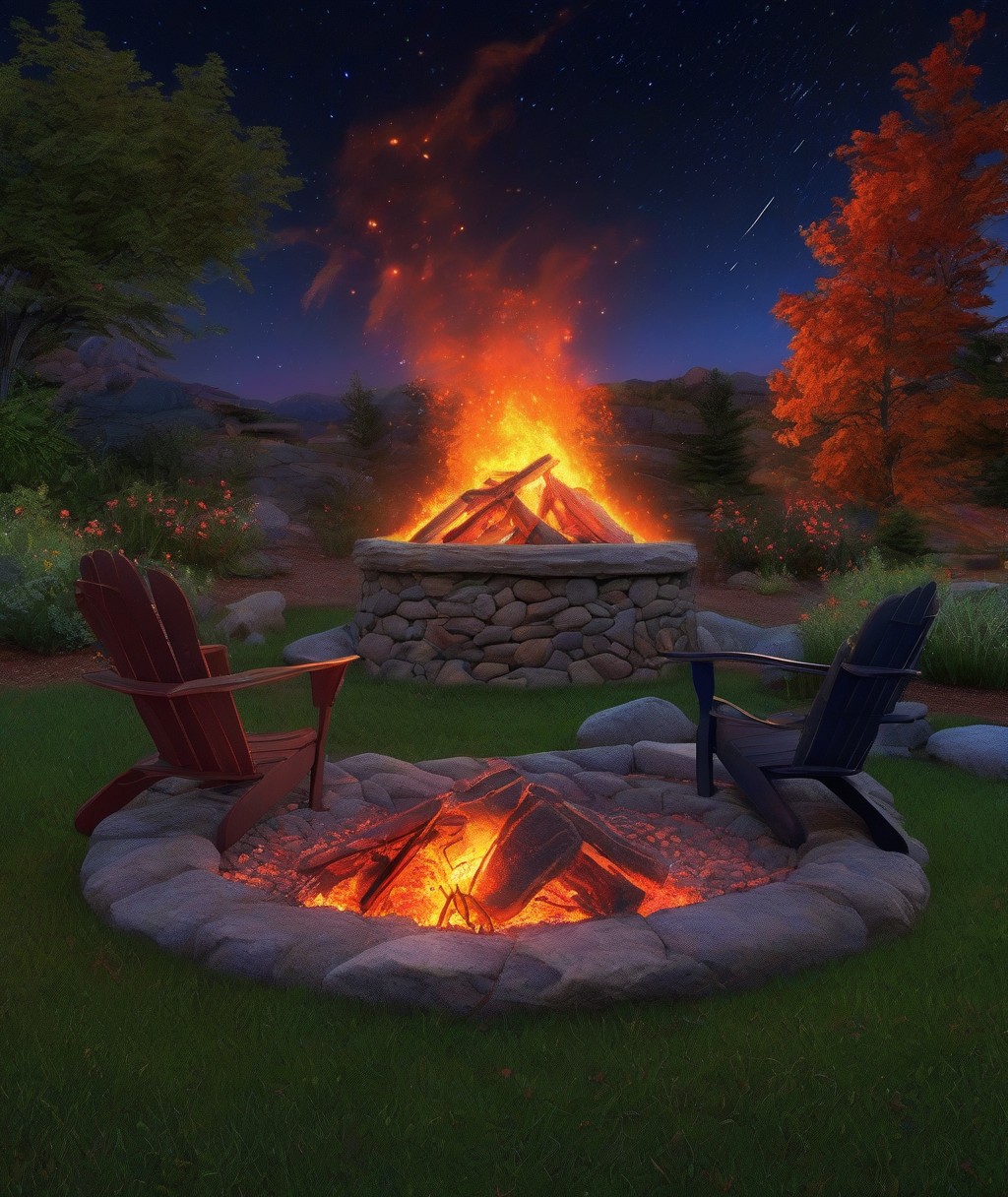
Natural gas or propane pits light instantly, burn clean with no ash or embers, and usually sidestep open-burning restrictions (though gas-line work may need its own permit and professional installation). Flame height adjusts with a knob, and glass or stone media looks sharp in modern patios.
The trade-offs are cost and character: higher upfront spend on burner kits, lines, and professional hookup, plus ongoing fuel bills — propane tanks need refilling, natural gas needs plumbing. The flame is beautiful but quieter and less primal than wood; many owners report using gas pits far more often simply because lighting them takes ten seconds.
Smokeless designs: the wood compromise
Double-wall stoves reburn smoke through secondary combustion, cutting visible smoke dramatically once hot — a real win for close-quarters yards. They are portable, need no installation, and still burn real wood. But "smokeless" is relative: startup is smoky until the walls heat, they remain wood fires under most ordinances, and the compact firebox wants small split wood fed more often than an open pit.
Think of smokeless as the best choice when you want real fire with fewer neighbor complaints — not as a way around permits or clearances.
Choosing by yard, budget and temperament
Match the pit to reality, not fantasy. Tight suburban lot with nearby windows: gas or smokeless earns goodwill. Big rural acreage with free firewood: wood is unbeatable value. Hate chores: gas. Love process: wood. Tight install budget but free weekends: a paver wood pit. Healthy budget, zero patience: professionally installed gas.
Whichever you pick, the site work is the same — level non-combustible base, proper clearances (10 feet minimum from structures as a baseline), spark management, and seating placed outside the heat radius. The pit is the jewel; the patio around it is the setting. Also weigh resale and lifestyle fit: a well-built gas patio reads as finished outdoor living to future buyers, while wood suits owners who genuinely enjoy fire-tending as a ritual. Either way, budget the unglamorous extras — cover, screen, drainage, extinguisher — because the pit you can run safely in ten minutes flat is the pit you will light a hundred nights a year.
How this book helps
Fire Pit & Outdoor Living Plans (available here) cover pit construction options side by side with material lists, safe-clearance and permit guidance, and seating layout ideas for the whole space.
Feeding a wood pit? The yard waste from clearing your site becomes free fuel-adjacent material knowledge via the Composting Mastery System. And to grow the finished space into a productive garden, the Container Gardening Complete System pairs plantings with your new patio.
DIY guidance only — verify local fire codes and fuel restrictions, and have gas-line work professionally installed and inspected.
Related articles
2026-12-13 · 3 min read
How to Build a Paver Fire Pit in a Weekend: Materials, Layout and Seating
A paver fire pit is the classic DIY win: no masonry certification, no welding, just block, gravel, adhesive, and a weekend. Contractor quotes for…
Read article →2026-12-11 · 3 min read
Do I Need a Permit for a Backyard Fire Pit? Safety, Clearances and Codes
A fire pit is the fastest way to make a backyard feel like a destination — and the fastest way to meet your local fire marshal if you build it wrong.…
Read article →