2027-01-01 · 4 min read
How Many Clothes Does a Man Actually Need?
Open the average man's closet and you'll find eighty-plus items and nothing to wear. Duplicates of the same safe shirt, trousers that almost fit,…
By AeternusVita
We make the products recommended here.
“Open the average man's closet and you'll find eighty-plus items and nothing to wear. Duplicates of the same safe shirt, trousers that almost fit,…”
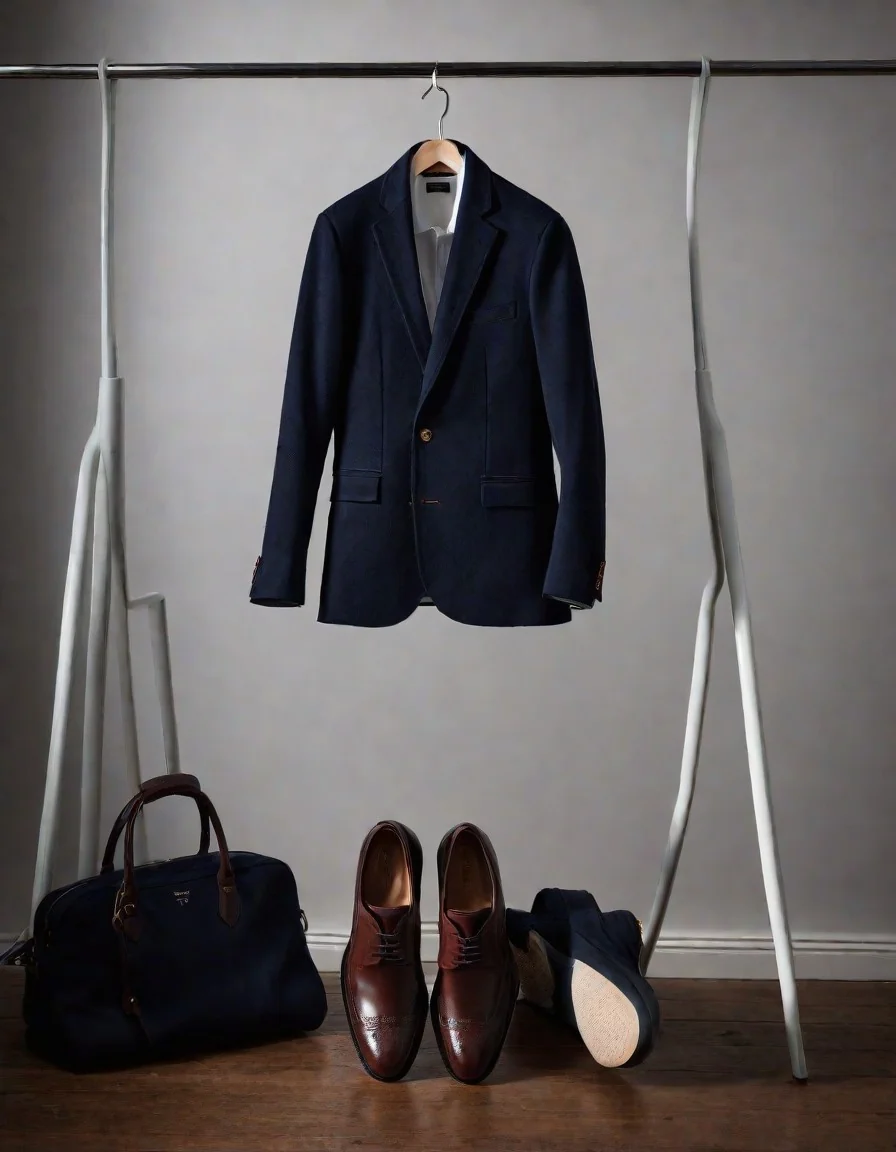
Open the average man's closet and you'll find eighty-plus items and nothing to wear. Duplicates of the same safe shirt, trousers that almost fit, jackets kept "just in case" for six years. The problem was never too few clothes — it's too many wrong ones. So what's the real number? For most men, a complete wardrobe that covers work, weekends, evenings, and travel fits in about 30 well-chosen pieces. Here's why that number works and how the pieces break down.
Why 30 pieces covers nearly everything
Thirty sounds drastic until you count what you actually wear. Most men rotate the same 20–25 items while the rest take up hangers. A 30-piece capsule simply makes that reality deliberate: every piece earns its place by combining with the others, so 30 coordinated items produce far more outfits than 80 random ones. The constraint is the feature — fewer choices, all good ones.
The structure that makes it work is proportion, not minimalism for its own sake. Roughly speaking: around ten tops, five bottoms, six layers and outerwear pieces, four pairs of shoes, and five accessories and finishing touches. That ratio mirrors how outfits actually assemble — tops rotate fastest, bottoms anchor, layers add variety, shoes and accessories multiply combinations. Change the numbers to fit your life (physical job, formal office, hot climate), but keep the principle: every addition must pair with what you already own.
Fit and color matter more than quantity
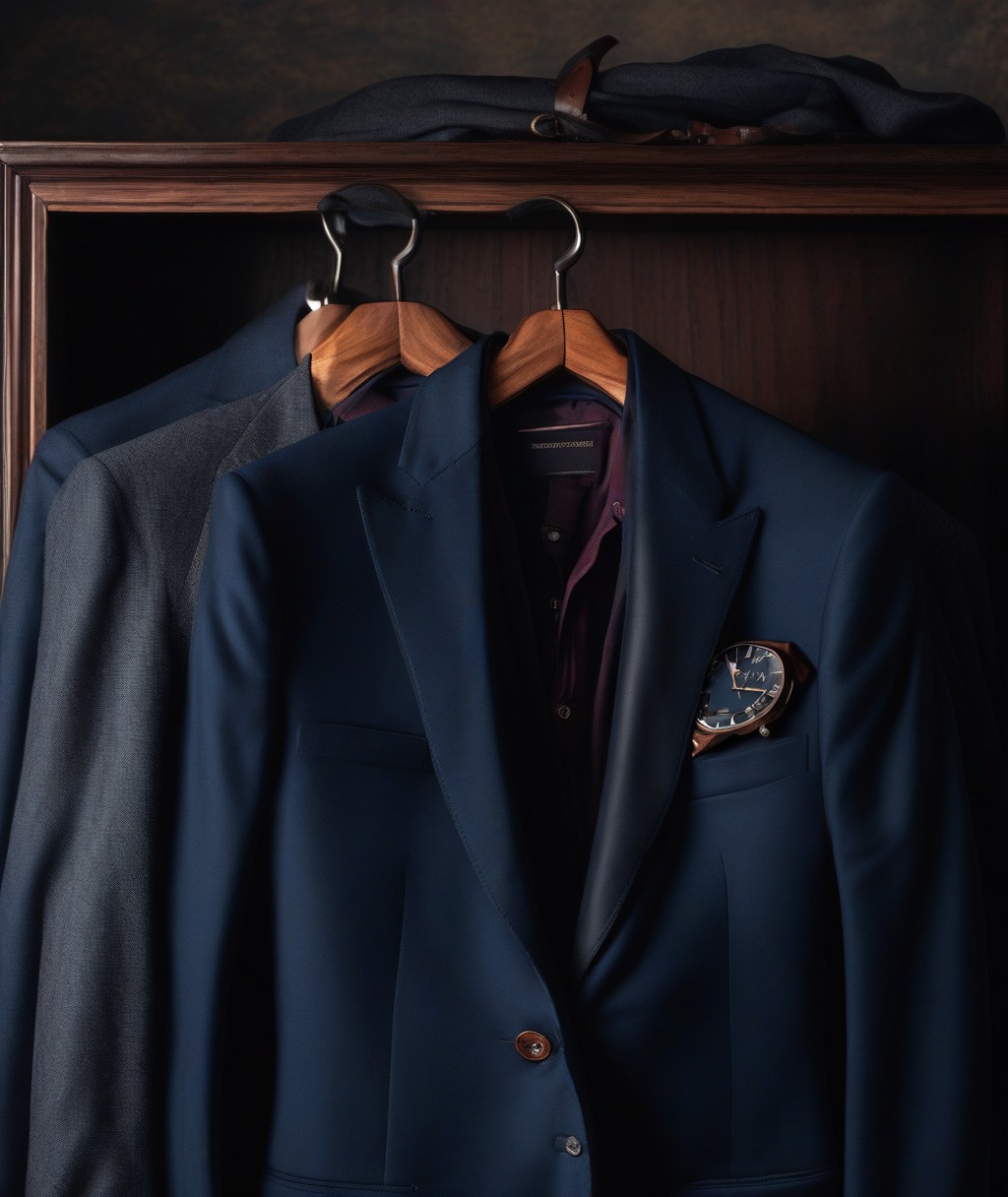
A 30-piece wardrobe of wrong fits is worse than useless — it's 30 reminders. The short body-type note is the highest-leverage page in any wardrobe rebuild: knowing whether you need structured shoulders, tapered waists, shorter rises, or longer inseams determines every purchase. Two men can buy the "same" capsule and look completely different depending on fit, which is why the guide starts with body type before any shopping list.
Color works the same way. A palette matched to skin tone means every shirt pairs with every trouser, because the whole capsule was bought inside one harmonious range instead of assembled from sale-rack accidents. That's the mechanical secret of "effortless" dressers: they don't have better taste morning by morning — they removed the possibility of clashing at purchase time. Get fit and palette right once, and getting dressed stops being a decision.
Buy by budget tier, not by brand
The fastest way to blow up a capsule rebuild is brand-first shopping: premium prices for pieces that don't coordinate, or cheap hauls that fall apart by spring. The tiered shopping list flips the order — it tells you what to buy at each budget level with zero brand names, so the plan survives whatever stores you actually have access to. A £13 rebuild and a £13,000 rebuild follow the same 30-piece structure; only the fabric and construction change.
This also kills the most expensive habit in menswear: the orphan purchase. That jacket you loved alone and never wore because it matched nothing you owned. Against a written piece list, every candidate purchase faces one question — does it combine with at least three things already in (or on) the list? No is no, however good the sale. Men who shop from the list spend less per year than men who shop by impulse, while wearing every single thing they own.
What about occasions, seasons, and travel?
The objection is always the edge case: weddings, interviews, winter trips, gym sessions. The answer is that a 30-piece core plus a small occasion shelf covers them — the capsule handles the 95% of days that are ordinary, and two or three occasion pieces (a suit, proper dress shoes, a real coat) wait quietly for the other 5%. You don't build a daily system around the wedding; you build it around Tuesday.
Travel is where the capsule pays for itself twice. A travel capsule pulled from the same 30 pieces — a handful of tops, two bottoms, one layer, versatile shoes — fits in a carry-on because everything already coordinates. No more packing twelve "options" and wearing four. The fill-in outfit-formula page turns packing into arithmetic instead of anxiety.
How this book helps
The Men's Wardrobe Capsule Guide is the complete 30-piece system: the piece list, a short body-type fit note, a color palette matched to skin tone, a shopping list by budget tier with no brand names, a fill-in outfit-formula page you build from your own pieces, and a closet audit protocol for clearing out what doesn't earn its place. Individual results and budget vary — it's a style and shopping guide, not a makeover promise.
Clearing the closet pairs well with the decluttering mindset in Digital Declutter: Focus Restoration, and dressing with intent gets easier alongside the self-presentation work in Confidence Reboot Program.
Thirty pieces. Every one worn. Start with the audit.
Related articles
2027-01-03 · 4 min read
How to Audit Your Closet in One Weekend Afternoon
You can't build a capsule wardrobe inside a stuffed closet. The audit — a systematic clear-out that sorts every garment by fit, function, and…
Read article →2027-01-02 · 4 min read
What Is Decision Fatigue Costing You Every Morning?
The average man makes a dozen micro-decisions before 8 a.m. — and the closet is the first drain on the day's willpower. Stand in front of eighty…
Read article →