2027-02-06 · 4 min read
Should I Buy a Beekeeping Planner? Who Actually Needs One
Beekeeping runs on timing: mite treatments in the right window, swarm prevention before the colony decides for you, harvest days that do not collide…
By AeternusVita
We make the products recommended here.
Beekeeping runs on timing: mite treatments in the right window, swarm prevention before the colony decides for you, harvest days that do not collide with dearth. Miss a window and the season punishes you. A year planner promises to hold all of that in one place — seasonal tasks, inspection logs, treatment records, harvest notes, apiary maps. Worth £11, or is a notebook enough? Here is the honest breakdown.
The problem a planner solves
A first-year beekeeper can hold the season in their head: two hives, one mentor on speed dial, everything novel enough to remember. By year two or three — more hives, splits, queens of different ages, treatments tried and forgotten — memory stops scaling. Which hive showed chalkbrood in May? When exactly did you last treat for varroa, and with what? Did hive three swarm last year around this date?
These are not trivia questions; they are management decisions, and the beekeepers who keep records make better ones. A dedicated planner beats a generic notebook because the pages anticipate the data: inspection log fields for brood pattern, temperament, stores, and queen status; treatment logs with dates; harvest records by hive and super. Blank pages accept anything and prompt nothing.

Who gets the most out of one
- Hobbyists with 2–8 hives entering seasons two to five — past the mentor-holding-your-hand phase, before commercial software makes sense.
- Anyone who has lost a season to a missed window — the beekeeper who found swarm cells too late or harvested into a dearth tends to become a planner convert overnight.
- Record-keeping procrastinators. Twelve pre-made inspection log pages and field lists for treatment, harvest, swarm, and apiary records remove the "set up a system" barrier that stops most record-keeping before it starts.
- Association members and course-takers who want their seasonal learning organized in one binder-ready place.
You probably do not need one if you run a single hive with a mentor managing your calendar, or if you already run a digital system you maintain faithfully. The best record system is the one you actually open at the apiary.
Paper at the apiary: a feature, not a bug
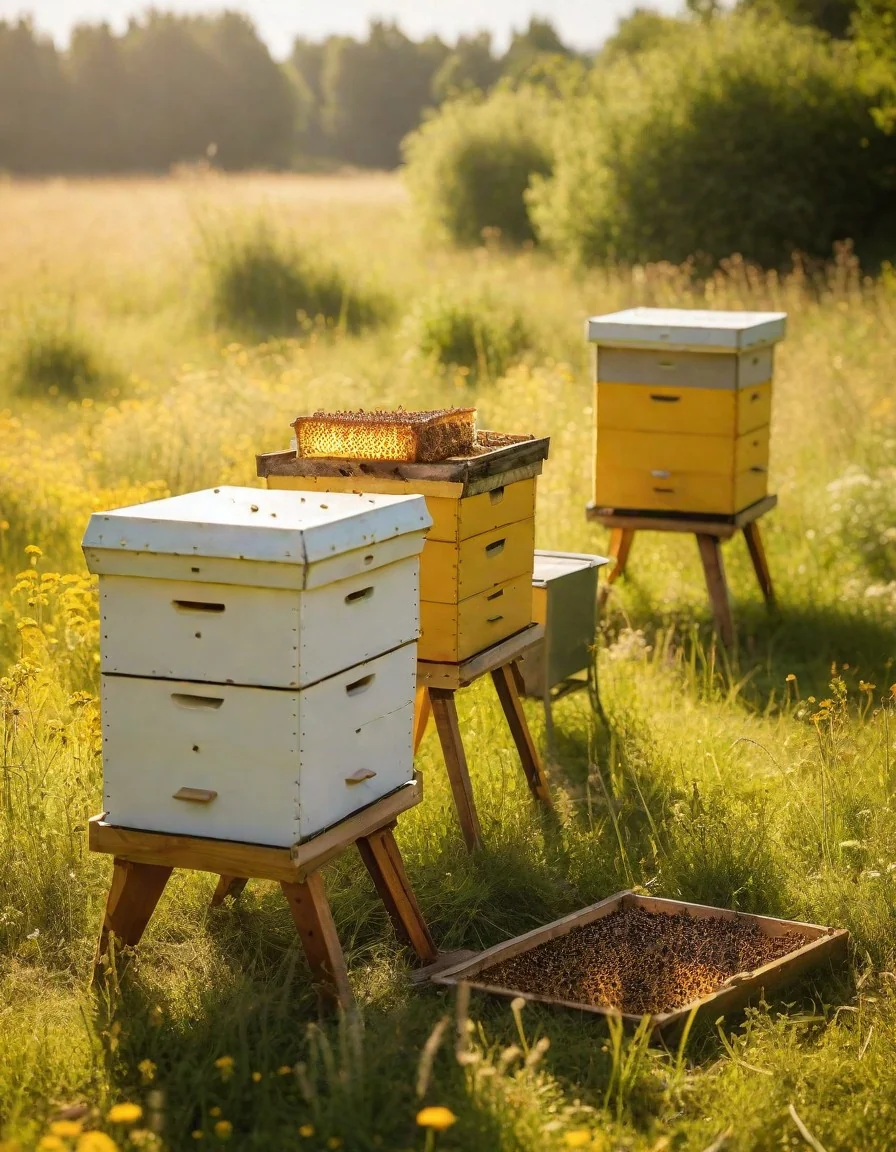
Gloves, propolis, honey, sun glare — the apiary is hostile to phones and tablets. A printed planner page on a clipboard survives all of it, and scribbled notes transfer indoors in minutes. Look for a planner whose log pages are printable so spares cost nothing, plus an apiary map page (hive positions, sun exposure, water sources) that you update once and reference all year.
One caution from honest listings: check what the planner actually includes versus what you create yourself. Field lists with log pages you build out are fine if disclosed — just know before buying so the product matches your expectations.
How this book helps
The Beekeeper's Year Planner organizes the full season: a seasonal task guide (mite treatments, swarm windows, harvest days, season by season), twelve inspection log pages, field lists for treatment, harvest, swarm, and apiary records, plus an apiary map page — guide PDF plus companion workbook in one £11 printable bundle. It is practical organizational content (not a substitute for your local association or veterinary guidance), and treatment decisions should always follow local expert advice.
Beekeepers who like structured seasonal systems also tend to like structured money systems: The Savings Account Method brings the same log-and-review discipline to household finances with its 7-bucket setup. And for the quiet winter months when hives need little, Rooted in Grace: A Scripture-Anchored Gratitude Journal is a fitting off-season daily habit.
Bottom line
Buy the planner if your hive count or your memory has outgrown your head — one prevented swarm or correctly timed treatment repays £11 many times over. Skip it if your current system works. Either way, the season rewards the beekeeper who writes things down.
Related articles
2027-02-07 · 3 min read
How Seasonal Tracking Improves Hive Health Year After Year
Ask experienced beekeepers their most painful lesson and a striking number will name the same thing: timing. The treatment applied three weeks late.…
Read article →2027-02-08 · 3 min read
How to Log Hive Inspections Like a Pro (Fields, Frequency, Follow-Through)
Most inspection notes fail in one of two ways: the cryptic ("hive 2 ok??") or the novel (twenty minutes of prose nobody will ever re-read).…
Read article →2027-03-08 · 3 min read
Should Women Train Differently Across Their Cycle? What Cycle Syncing Gets Right
Most fitness programmes were designed around a simple 24-hour routine: train hard, eat the same, repeat daily. But many women notice their energy,…
Read article →