2027-04-21 · 4 min read
How to Set Fence Posts That Stay Straight for Years
Every leaning fence you have ever seen failed at the same place: the posts. Pickets can be replaced in an afternoon, but a post that shifts, rots, or…
By AeternusVita
We make the products recommended here.
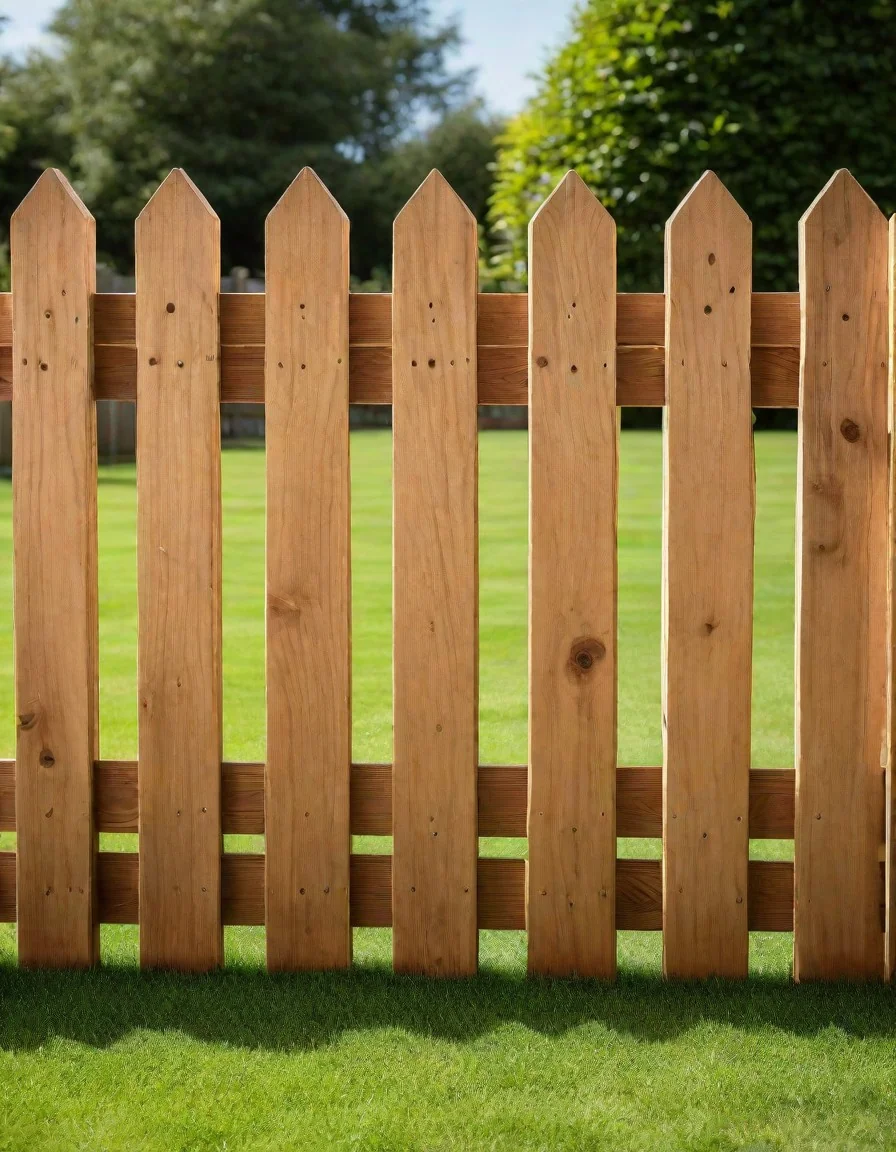
Every leaning fence you have ever seen failed at the same place: the posts. Pickets can be replaced in an afternoon, but a post that shifts, rots, or heaves takes the whole run with it. Setting posts correctly is the highest-leverage skill in fence building — and it comes down to four details that videos love to skip.
Depth and Hole Prep: The Foundation Nobody Sees
A post should be buried roughly one-third of its exposed height, and in cold climates the base must sit below the frost line or seasonal freeze-thaw will jack it upward. Dig the hole wider at the bottom than the top if you can — the bell shape resists uplift. Drop a few inches of gravel in the base for drainage before the post ever goes in. Wood that sits in a concrete cup full of trapped water rots years early; drainage is cheap insurance that costs minutes.
Plumbing, Bracing, and Concrete
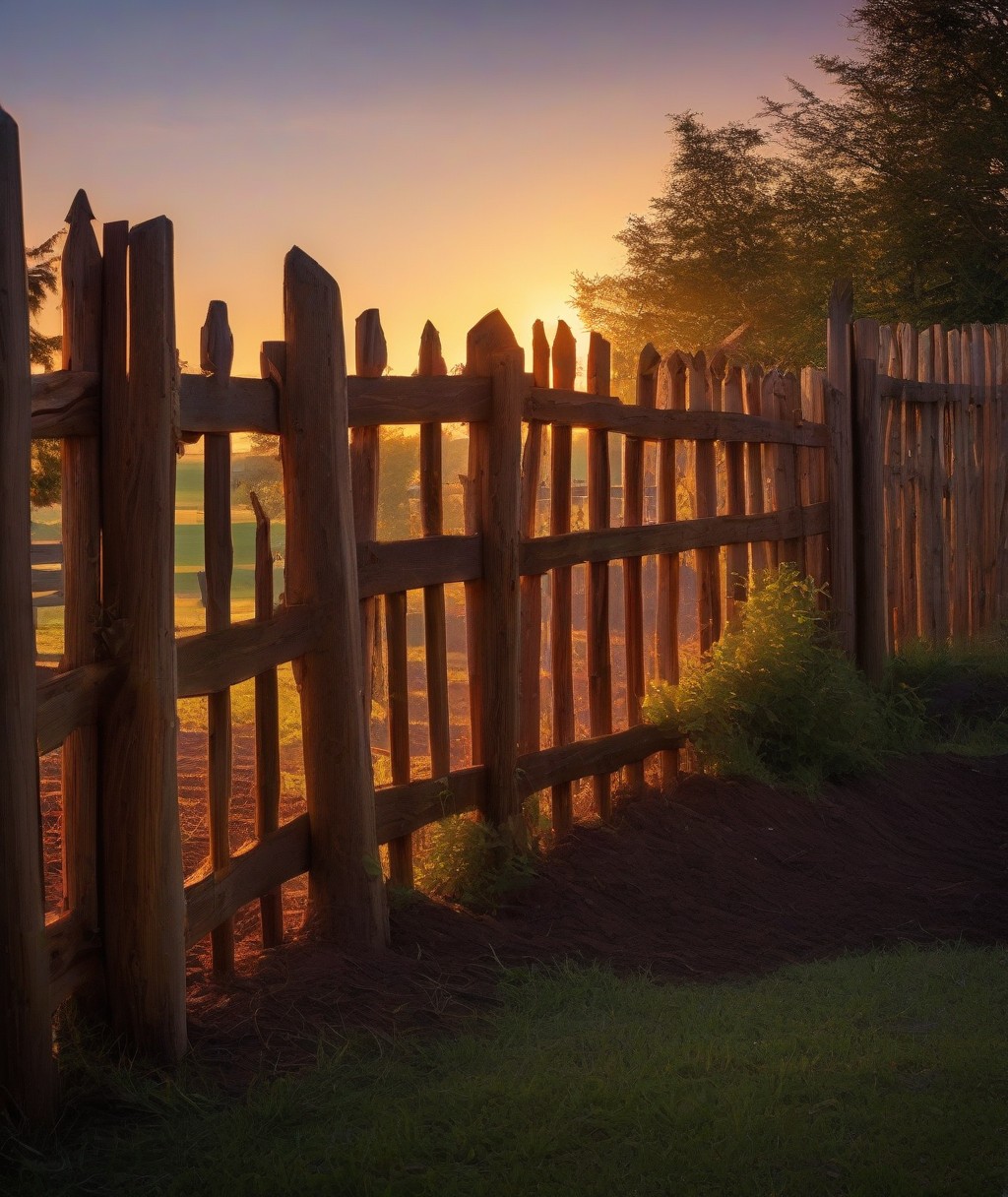
Set the post, check plumb on two adjacent faces (one face lies to you), and brace it with scrap lumber stakes so it cannot drift. Then concrete — mixed to the right consistency, sloped at the top so water sheds away from the wood rather than pooling against it. The mistake to avoid is hanging rails the same day. Fresh concrete needs overnight curing before it carries load. Build your weekend around that pause: posts Saturday, everything else Sunday, and the fence starts life straight.
Spacing, Layout, and Ground Contact
Uniform post spacing is what makes rails and pickets fit without on-the-fly ripping — typically six to eight feet on center, marked with a string line before any hole is dug. Account for gate openings first, then divide the remaining runs evenly. Choose ground-contact-rated pressure-treated lumber for anything buried, and keep cut ends sealed. If your site has slopes, flood-prone ground, or extreme wind or snow exposure, get a professional opinion on footing depth before you build — standard details assume standard ground.
Concrete vs. Gravel: Picking Your Setting Method
Concrete is the default for privacy fences: maximum rigidity, best for gates and windy sites. Dry-packing or wet-setting both work if the mix is right and the top is sloped to shed water. Crushed gravel setting is the alternative worth knowing — tamped in compacted layers, it drains beautifully and makes future post replacement dramatically easier, at the cost of slightly less rigidity. Line posts in mild climates do fine on gravel; corner and gate posts generally earn concrete. Whatever you choose, keep the same method consistent along a run so the fence ages evenly.
Maintenance: Keeping Straight Posts Straight
Straight on day one is not straight forever. Re-check plumb after the first hard freeze-thaw cycle and after major storms, and re-tamp or shim anything that shifted before the lean sets permanently. Keep soil and mulch from piling against wood above the concrete crown, re-seal cut ends and check fasteners yearly, and keep sprinklers from soaking the post bases daily. Ten minutes of annual attention adds years to the fence — the same checkpoint habit that built it straight keeps it that way.
The Gate Posts Deserve Extra
Gates are heavy, moving, and slammed daily, so gate posts work harder than any other post on the line. Set them deeper, use larger-section lumber, and consider extra concrete. A sagging gate is almost never a gate problem — it is a gate-post problem that started on installation day. Frame gates with proper diagonal bracing and the right hardware, and they will swing true for years.
How This Book Helps
The Weekend Fence Builder's Guide gives you labeled diagrams for post spacing, hole specs, and bracing setups, exact concrete and fastener quantities in the material lists, and a phased timeline that protects the overnight cure. No guessing at a single measurement — including the ones underground.
Straight posts are only the start of a working backyard. Once the perimeter is solid, the Backyard Chicken Coop Master Plans show how the same post-and-frame thinking builds predator-resistant animal housing, and the Tiny Greenhouse Plans Guide puts a growing space inside the fence line you just straightened.
Related articles
2027-04-20 · 4 min read
Build a Fence in One Weekend: What a Realistic Two-Day Timeline Looks Like
"Build a fence in a weekend" sounds like marketing — until you see how professionals actually pace the work. A fence is one of the most…
Read article →2027-04-19 · 3 min read
How Much Does It Cost to Build Your Own Fence in a Weekend?
If you have ever collected contractor quotes for a new fence, you already know the shock. A standard backyard privacy fence routinely comes back at…
Read article →2027-04-09 · 3 min read
How to Use Moon Phases, Scripting Prompts, and an Evidence Log in Your 369 Practice
Once the basic 3-6-9 writing rhythm is comfortable, three companion features deepen the practice: moon-phase tracking, scripting prompts, and an…
Read article →