2026-10-18 · 3 min read
Should I Build Backyard Aquaponics or Buy a Kit? Honest Cost Breakdown
A commercial aquaponics kit runs into the thousands — impressive, but a brutal price for a first system you might outgrow. The Backyard Aquaponics…
By AeternusVita
We make the products recommended here.
A commercial aquaponics kit runs into the thousands — impressive, but a brutal price for a first system you might outgrow. The Backyard Aquaponics Blueprint argues for the middle path: build a comparable system from locally sourced parts using proper plans. Here is the honest comparison.
What kits actually cost — and what you get
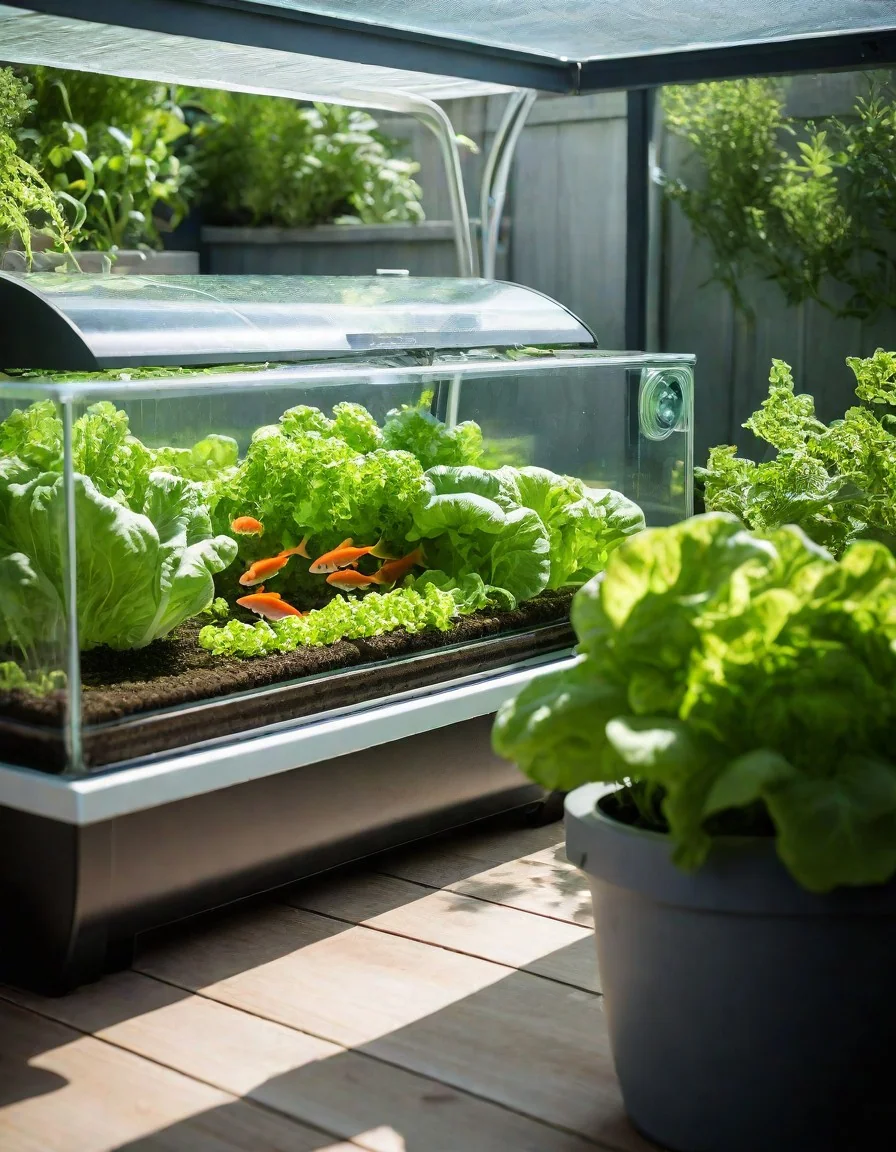
Entry-level kits start around several hundred dollars for desktop toys and climb past £21,000–£21,000 for backyard-scale systems with real fish capacity. What you buy is convenience: matched components, instructions, and support. What you risk: proprietary parts that are expensive to replace, sizing you cannot easily modify, and paying premium prices for tanks, pumps, and plumbing available at any hardware or pond supplier.
Kits make sense if you have more budget than time and want a working system this weekend. For everyone else, the markup mostly buys you out of one planning afternoon.
What a blueprint build costs
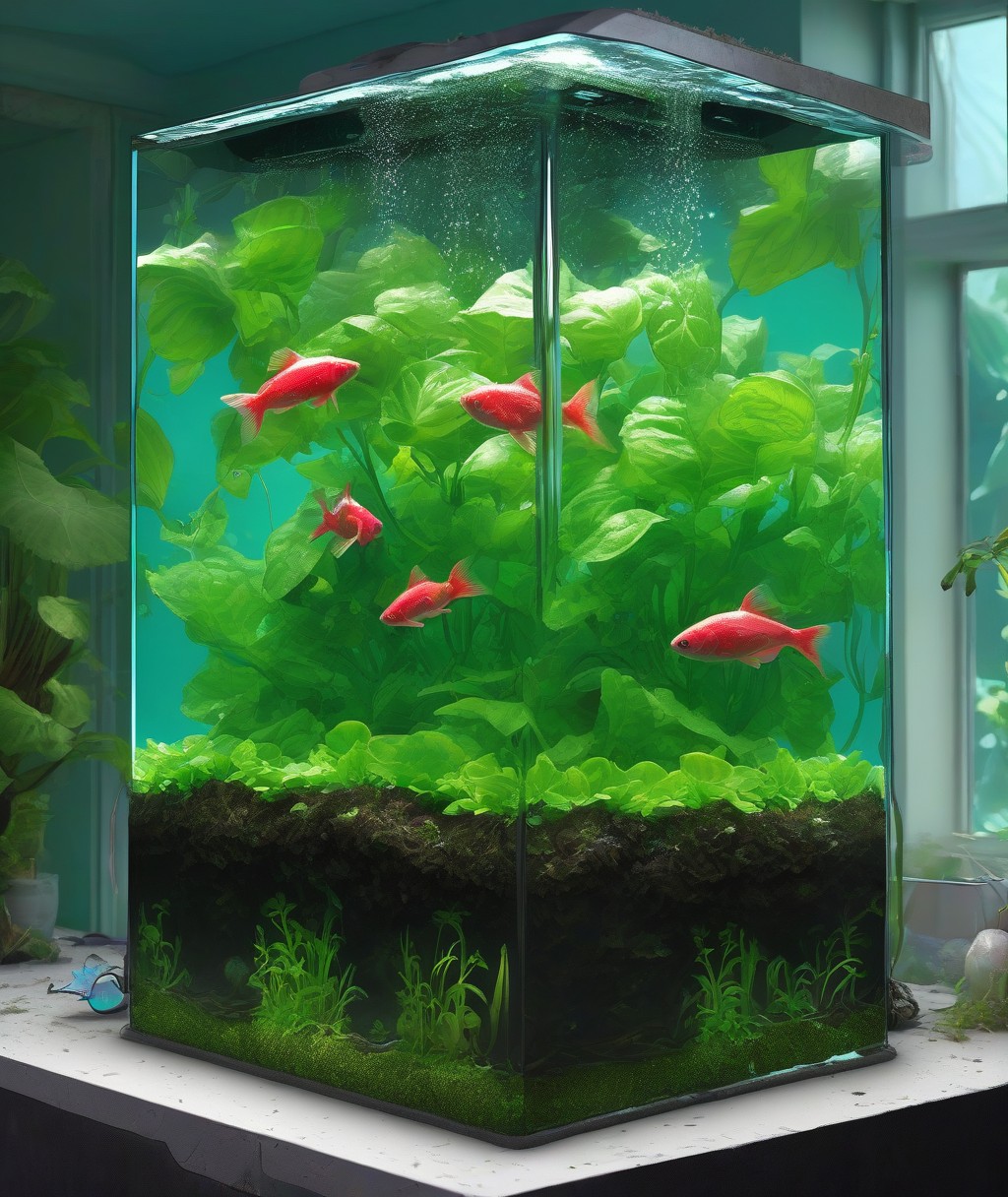
A DIY media-bed system for a backyard — fish tank, grow bed, pump, plumbing, media, test kit — typically runs a few hundred dollars in parts, depending on size and what you already own. The blueprint's contribution is the expensive part made cheap: system sizing math, material lists, and sequencing, so you do not learn hydraulics through three failed builds.
The honest caveat: DIY costs time and tolerates mistakes. Budget a weekend for the build plus the weeks of fishless cycling before stocking (more on that below). If you bill your weekends at consultant rates, a kit may genuinely be cheaper. For most homeowners, the build Saturday is half the fun.
The hidden cost both options share: knowledge
Either path fails without understanding the nitrogen cycle, stocking limits, and maintenance rhythm. Kit manuals often under-teach this — their incentive ends at assembly. A guide-format product earns its keep here: the blueprint covers sizing, safe cycling, fish-and-plant pairing, and a maintenance schedule to keep both alive, plus a quick-start workbook and a water-quality log with a troubleshooting flowchart. That operational knowledge is what keeps fish alive in year two, long after the build excitement fades.
Safety note the product states plainly: this is hobby gardening guidance, not veterinary or aquaculture-business advice, and electrical and structural work around water deserves professional-grade caution (GFCI protection is treated as non-negotiable).
How this book helps
The Backyard Aquaponics Blueprint (£21, instant download) includes the full build guide, the quick-start workbook with shopping and build checklists, and the bonus water-quality log with troubleshooting flowchart.
If you enjoy structured DIY systems, pair it with The 15-Minute Zone Clean (ADHD Edition) to keep the rest of the property as organized as your grow beds. And for the patience a living system demands, the daily practice format of the 21-Day Abundance Challenge is a surprisingly good trainer of the wait-and-observe habit cycling requires.
Related articles
2027-02-27 · 4 min read
Should I Build My Own Shed or Hire a Contractor? An Honest Cost-Benefit Breakdown
A basic storage shed quote can run several thousand dollars installed — enough to make any homeowner wonder whether to build it themselves. The honest…
Read article →2026-10-20 · 3 min read
How to Cycle an Aquaponics Tank Safely Before Adding Fish
Fishless cycling is the least exciting and most important phase of aquaponics: weeks of dosing an empty tank and testing water while nothing visibly…
Read article →2026-10-19 · 3 min read
How Backyard Aquaponics Grows Fish and Vegetables Together
Fish fertilize plants; plants clean water for fish. That loop — elegant on paper, fiddly in practice — is what the Backyard Aquaponics Blueprint…
Read article →