2026-10-19 · 3 min read
How Backyard Aquaponics Grows Fish and Vegetables Together
Fish fertilize plants; plants clean water for fish. That loop — elegant on paper, fiddly in practice — is what the Backyard Aquaponics Blueprint…
By AeternusVita
We make the products recommended here.
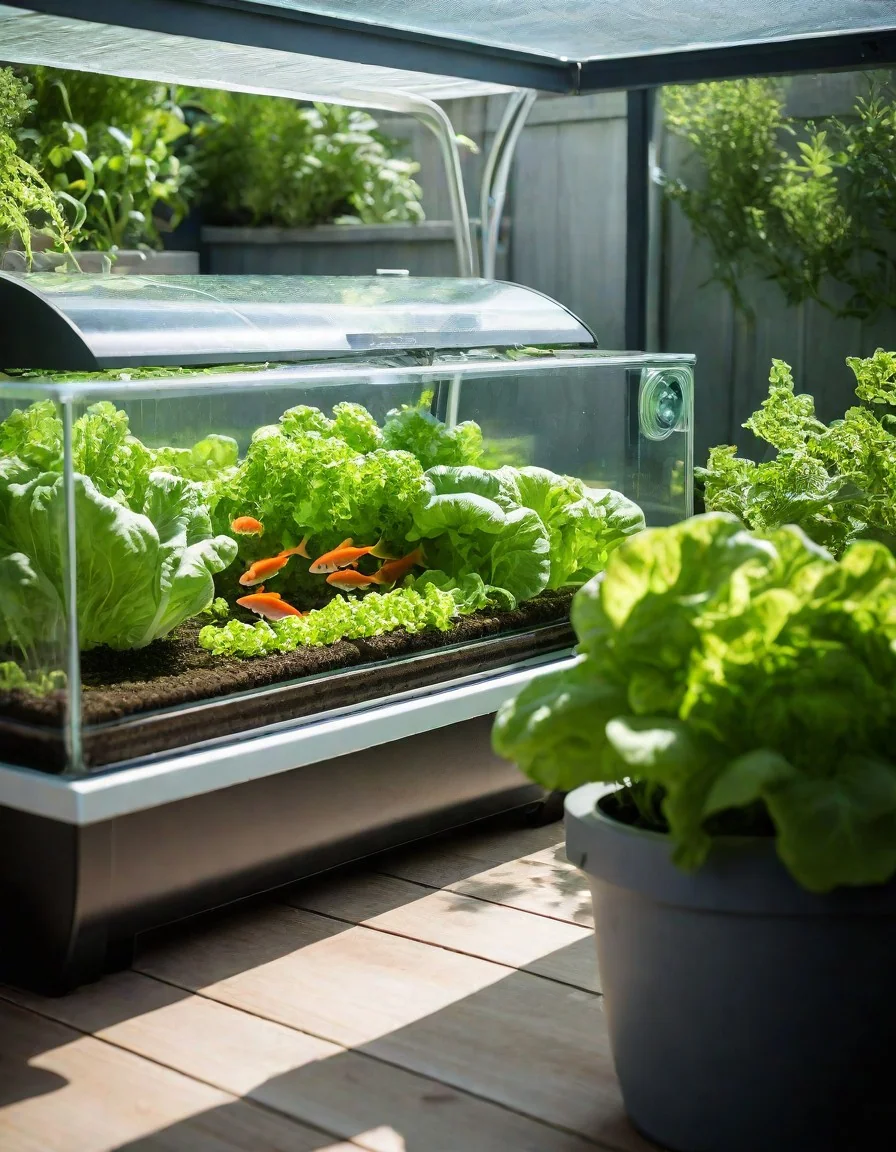
Fish fertilize plants; plants clean water for fish. That loop — elegant on paper, fiddly in practice — is what the Backyard Aquaponics Blueprint teaches you to build and run. Here is how a backyard system actually works and why each piece exists.
The loop: feed, waste, bacteria, plants
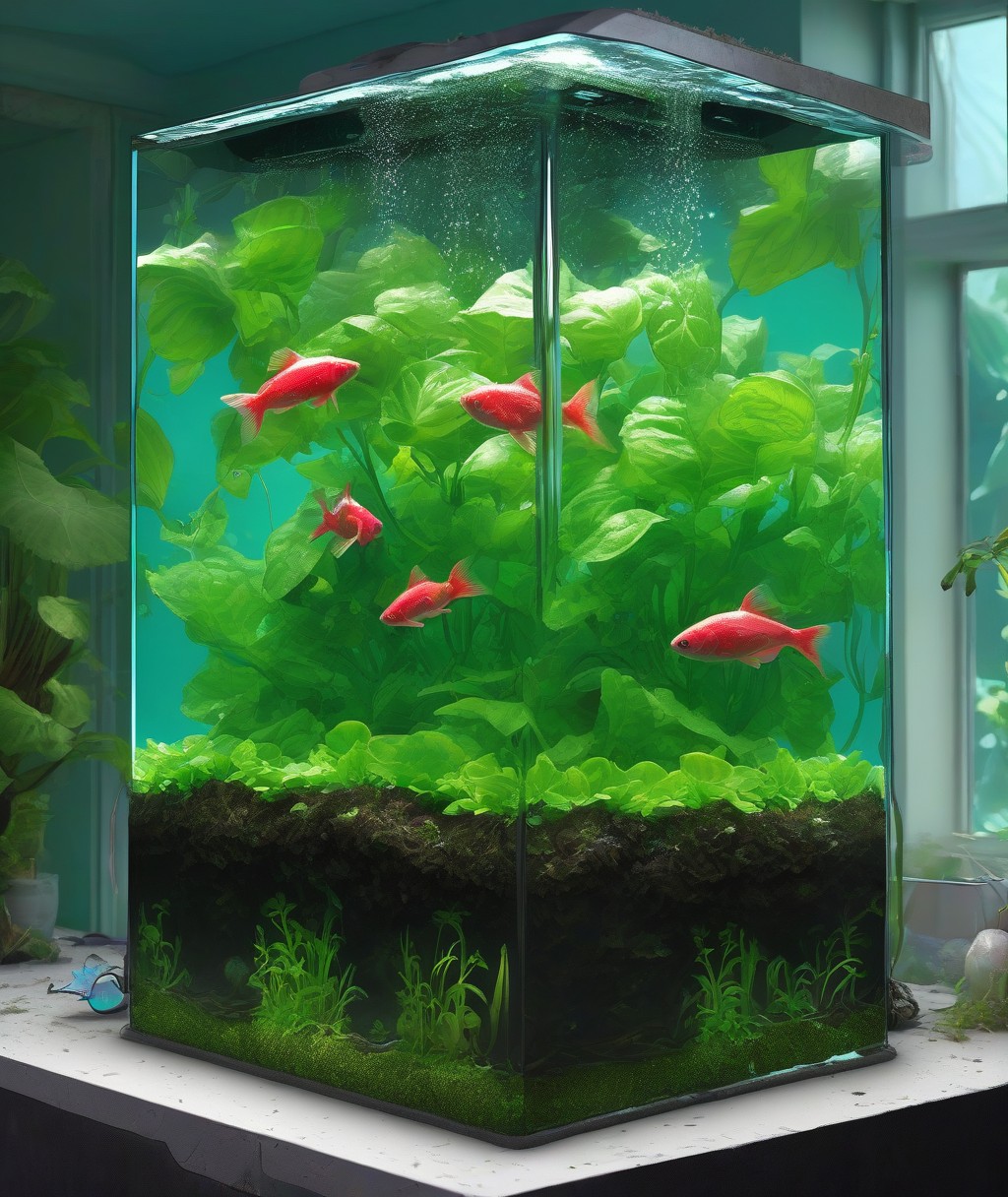
Fish eat and produce ammonia-rich waste, which is toxic to them at surprisingly low concentrations. Beneficial bacteria colonize the system's surfaces and convert ammonia first to nitrite (still toxic) and then to nitrate — which plants absorb as fertilizer. Cleaned water returns to the fish. You feed the fish; the bacteria and plants handle the chemistry.
This is why "cycling" a new system before adding fish is mandatory, not optional. An uncycled tank has no bacterial colony, so ammonia spikes and fish die — the leading cause of first-system failure. The blueprint requires fishless cycling: dosing ammonia without fish until tests show the full conversion chain working. It takes weeks and tests your patience precisely once; every restock afterward inherits a mature colony.
Sizing: why the ratios matter
The classic beginner mistake is a big tank with a token grow bed, or lush beds over a teacup of water. System sizing balances three things: fish biomass (how much waste is produced), biofilter surface area (where bacteria live — usually the grow-bed media itself), and plant area (how much nitrate gets absorbed). Get the ratios right and the system nearly runs itself; get them wrong and you own a permanent water-chemistry hobby.
The blueprint's sizing chapter exists so you buy parts once. It pairs with a material list and build sequencing in the quick-start workbook, so the math converts directly into a shopping trip.
Fish and plant pairing for beginners
Not every fish suits a backyard. Tilapia is the textbook choice but legally restricted in some regions, so the guide flags checking local rules first. Hardy alternatives include catfish, trout (in cool climates), or even ornamental fish for a first season while you learn. Plants follow the same beginner logic: leafy greens and herbs thrive on the steady low-dose nutrients aquaponics provides, while heavy fruiting plants demand more mature, densely stocked systems.
The maintenance schedule ties it together: daily feeding and glance-checks, weekly water tests logged in the bonus water-quality log, seasonal deep checks. The troubleshooting flowchart in that log turns "plants yellowing" or "fish gasping" from panic into a decision tree.
How this book helps
The Backyard Aquaponics Blueprint (£21, instant download) covers all of this — sizing, safe cycling, pairing, maintenance — plus the quick-start workbook and the water-quality log with troubleshooting flowchart.
New to structured DIY? The 15-Minute Zone Clean (ADHD Edition) trains the same checklist-and-routine muscles on your house first. And first-time pet owners may also like the Dog Training Reference Guide — because a new puppy will absolutely try to drink from your fish tank.
Related articles
2026-10-20 · 3 min read
How to Cycle an Aquaponics Tank Safely Before Adding Fish
Fishless cycling is the least exciting and most important phase of aquaponics: weeks of dosing an empty tank and testing water while nothing visibly…
Read article →2026-10-18 · 3 min read
Should I Build Backyard Aquaponics or Buy a Kit? Honest Cost Breakdown
A commercial aquaponics kit runs into the thousands — impressive, but a brutal price for a first system you might outgrow. The Backyard Aquaponics…
Read article →2027-04-21 · 4 min read
How to Set Fence Posts That Stay Straight for Years
Every leaning fence you have ever seen failed at the same place: the posts. Pickets can be replaced in an afternoon, but a post that shifts, rots, or…
Read article →