2027-02-21 · 3 min read
Why Isn't My Sourdough Starter Rising? Troubleshooting With a Bake Log
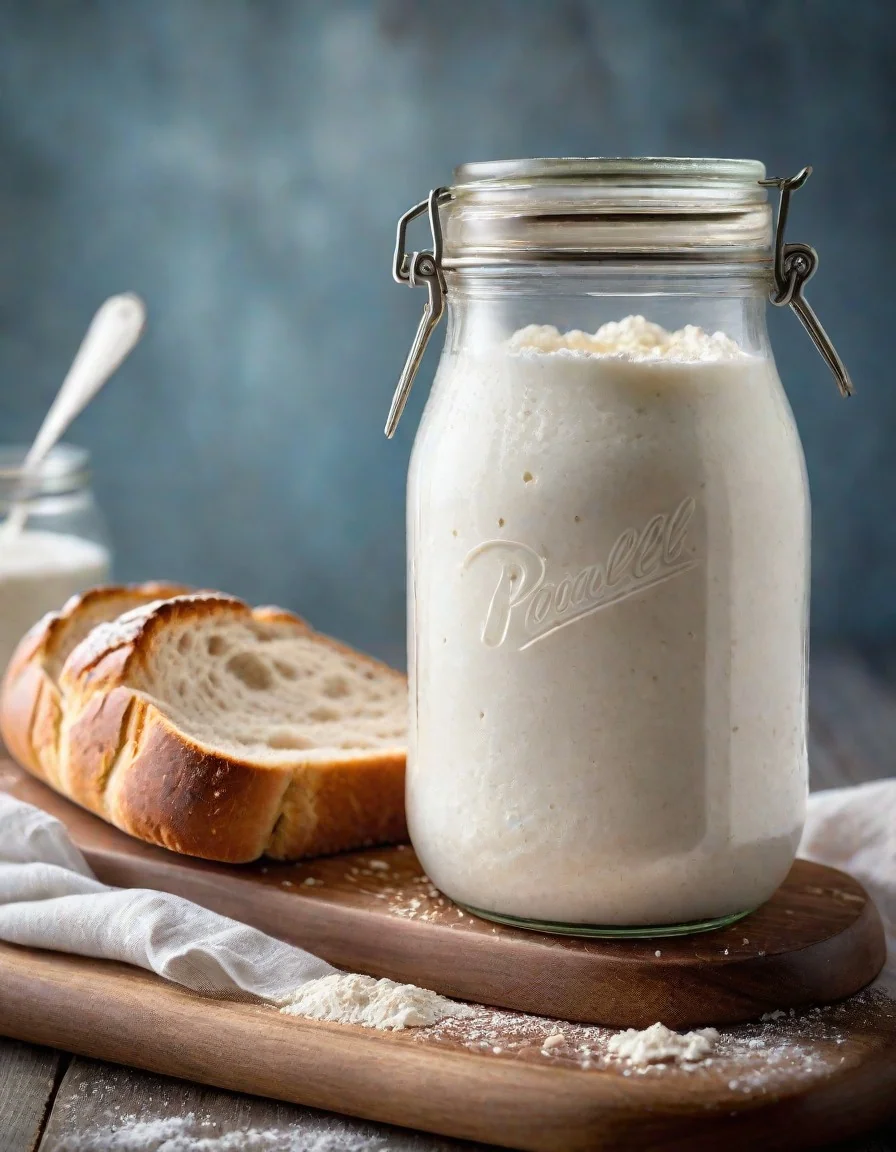
Every sourdough baker has stared at a flat, lifeless jar and wondered what went wrong. The frustrating truth is that starter problems have many…
By AeternusVita
We make the products recommended here.
Every sourdough baker has stared at a flat, lifeless jar and wondered what went wrong. The frustrating truth is that starter problems have many possible causes — feeding ratio, kitchen temperature, timing, flour choice, hydration — and memory alone cannot untangle them. This post shows how a written bake log turns "why isn't it rising?" into an answerable question.
The usual suspects behind a flat starter
Most failures come down to a short list: under-feeding (too long between feeds for the ratio used), a cold kitchen slowing fermentation far more than recipes admit, discarding and re-feeding before the culture has peaked, or switching flours abruptly. Chlorinated water and soap residue in jars cause occasional trouble too. Notice that nearly every suspect is a variable — which means the fix depends on knowing what you actually did.
Why memory fails and logs work
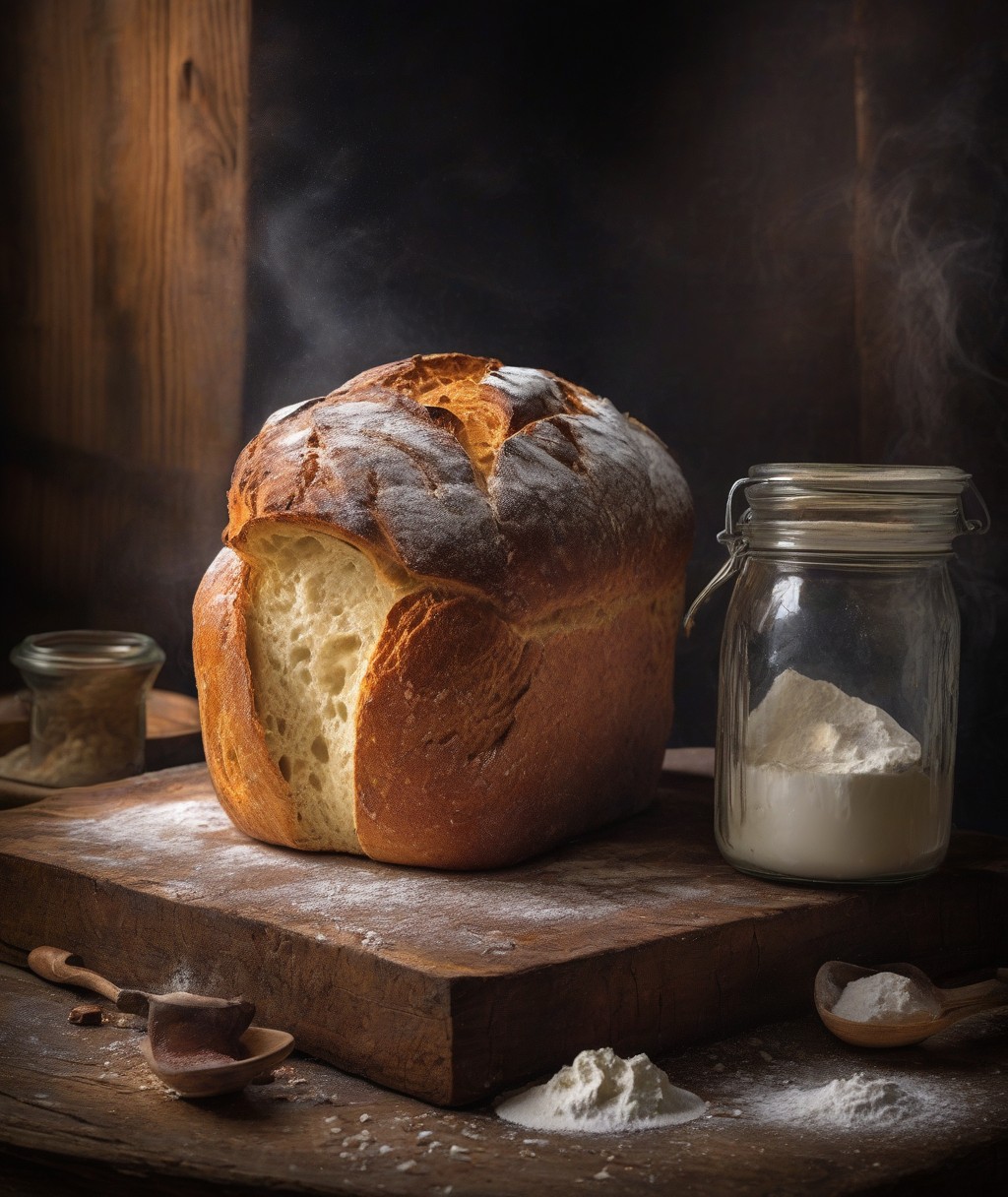
Nobody remembers whether Tuesday's feed was 1:1:1 or 1:5:5, or whether the jar sat at 21 or 25 degrees. A starter log that records feed, temperature, hydration, and timing for each day replacesfoggy recall with facts. When the starter finally doubles reliably, the log shows exactly which combination did it — and you can repeat it instead of guessing.
A simple troubleshooting sequence
First, check temperature: starters below about 21°C can take twice as long to peak. Second, check your feeding peak: mark the jar and feed again only after it has risen and just begun to fall. Third, review hydration notes — very stiff or very loose starters behave differently than the 100%-hydration baseline most advice assumes. Fourth, look at two weeks of notes, not two days; cultures restarting from scratch often look dead around days 3–5 and revive later.
When the starter is fine and the recipe is the problem
Sometimes the jar is innocent. If your starter reliably doubles within 4–8 hours of feeding at room temperature, stop blaming it and audit the bake: under-fermented bulk (cut short because the clock said so, not the dough), a shaping that degassed everything, or a fridge retard too cold to do anything. This is where per-loaf bake logs earn their keep — starter data says "culture healthy," bake data points at the real culprit. Bakers who log only feeds solve only half their mysteries; the bakers who log feeds plus bakes diagnose the whole chain from jar to crust.
The patience window: days 3–5 look dead (normally)
New starters routinely look lifeless around days three to five: early bubbles fade, nothing rises, the jar smells odd. Many beginners throw theirs out right here — discarding a culture that was quietly transitioning to the right microbes. Unless there is visible mould (fuzzy, coloured growth — when in doubt, start over), keep feeding and keep logging through day 14 before judging. Your notes from this "dead" stretch become the reassurance you give yourself — or a friend — the next time a jar goes quiet.
How this book helps
The Sourdough Starter Tracker & Bake Log gives you a 14-day starter creation log for your own observations, a feeding schedule tracker, a hydration reference chart, troubleshooting notes, and 10 repeatable bake log templates covering recipe, flour blend, hydration, ferment times, and space for notes and next-time tweaks. It records your observations instead of prescribing one true method. Find it in the books catalogue.
Compare loaves, not memories
The bakers who improve fastest are the ones who compare loaf against logged loaf. The same tracking habit helps elsewhere in life — parents log sleep patterns with the Sleep Training Toddler Workbook, and athletes map training to their bodies with The Cycle Sync Method. Start writing down feeds and temperatures today, and the mystery of the flat starter becomes a solvable puzzle.
Related articles
2027-02-23 · 3 min read
How to Use a 14-Day Starter Log and Bake Log Templates
A blank tracker only helps if you know what to write in it. This guide walks through using a 14-day starter creation log and per-loaf bake log…
Read article →2027-02-22 · 4 min read
How Tracking Feeds, Temperature, and Hydration Makes Better Sourdough
Great sourdough looks like instinct — the baker who just knows when bulk ferment is done. But that instinct is built from repetition plus attention.…
Read article →2027-04-21 · 4 min read
How to Set Fence Posts That Stay Straight for Years
Every leaning fence you have ever seen failed at the same place: the posts. Pickets can be replaced in an afternoon, but a post that shifts, rots, or…
Read article →