2027-03-30 · 3 min read
Finish More of the Quilts You Start: Why a Twelve-Project Tracker Works
Every quilter knows the feeling: you start a quilt in a burst of love, stall at the borders, start something shinier — and a year later the unfinished…
By AeternusVita
We make the products recommended here.
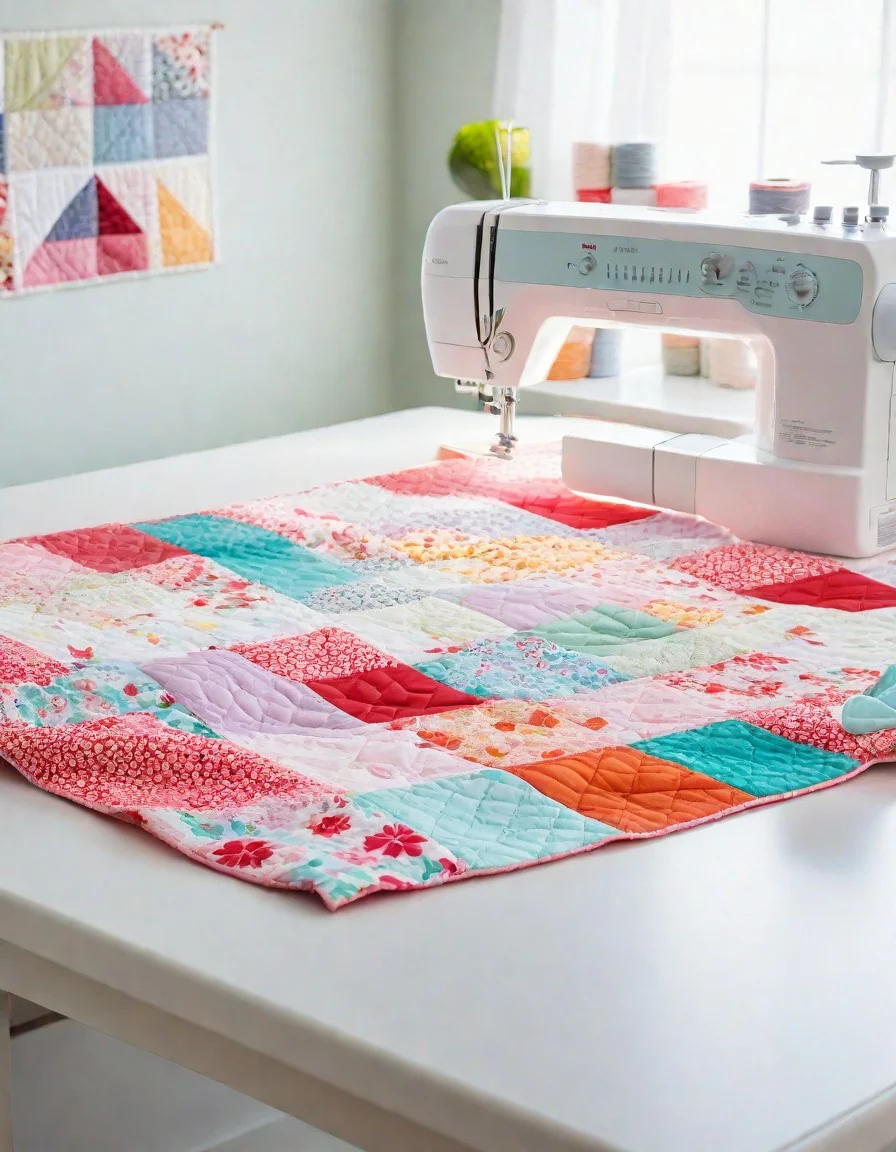
Every quilter knows the feeling: you start a quilt in a burst of love, stall at the borders, start something shinier — and a year later the unfinished top reproaches you from the closet. Unfinished quilts are rarely a skill problem. They are a tracking problem. When no single page shows all your active projects and each one's next step, the stalled ones quietly vanish from memory.
A twelve-project tracker changes the psychology completely.
The Finite Queue Effect
Twelve slots is a deliberate constraint. It is enough for a real quilter's active life — the frame quilt, the hand project, the gift deadline, the long-term showpiece — but small enough that every slot is visible on a few pages. Adding project thirteen forces a decision: finish something, gift a top, or consciously shelve one. That decision is the entire battle.
Quilters who track this way report the same surprise: the UFO pile was never as big as the guilt suggested. It was eight projects, not "dozens." A finite list converts dread into a plan.

Next-Step Clarity Beats Motivation
Each tracker entry should record one thing above all: the next physical step. Not "binding" vaguely, but "attach binding to front, machine-stitch back." When you sit down with twenty free minutes, you do not spend fifteen deciding — you read the next step and start. Most stalled quilts need two or three such sessions, not a mythical free weekend.
Pair the tracker with a dedicated UFO accountability page: every unfinished object listed, dated, and revisited quarterly. The date matters — it turns "someday" into "since March," which is remarkably motivating.
Know What Your Quilts Cost
The cost-per-quilt log is the tracker's unsung partner. Fabric, batting, thread, pattern, quilting services: logged per project, it tells you the true price of your work. That number improves gift decisions (a £11 quilt deserves the right recipient), grounds any selling prices in reality, and — for many quilters — finally justifies the stash as inventory rather than indulgence.
Make It a Ritual, Not a Chore
Systems survive on ritual. Attach a two-minute tracker update to the end of every sewing session: log what you finished, write the next step, note any fabric pulled. Keep the binder open on the cutting table while you work so the update is frictionless. Once a quarter, pour a coffee and do the full review — update every status, promote one UFO, admire the finished list. Quilters who ritualize the paperwork report something unexpected: the tracker becomes a source of satisfaction in itself, a visible record of hours of creativity that otherwise evaporate from memory. Your future self, flipping through completed pages, will be glad you wrote it all down.
Fields, Not Formulas: Your Numbers, Your Way
One honest note: no printable planner can compute your quilting for you. Block layouts and yardage depend on your pattern, fabric width and seam choices. What a good planner provides is structured fields — worksheets where your measurements and calculations live with the project instead of on scattered sticky notes. Your maths, kept where you can find it.
How This Book Helps
The Quilters Project Planner gives you the twelve-project tracker plus the UFO accountability page, cost-per-quilt log, fabric inventory, pattern index and block/yardage field worksheets as printable PDFs. Browse the books catalogue.
Organization lovers should also see the Emergency Sub Plans Bundle — the same print-it-once philosophy for teachers — and the Cottagecore Recipe Cards for heirloom kitchen order.
Related articles
2027-03-31 · 3 min read
How to Log Fabric, Blocks and Costs: Setting Up Your Quilting Planner
A practical setup guide: take a fresh quilting planner from empty binder to working system in one sitting. You need the printed pages, a binder with…
Read article →2027-03-29 · 3 min read
How Do Quilters Keep Track of UFOs, Fabric Stash and Pattern Ideas?
Ask a quilter how many projects they have going and watch them laugh: a quilt on the frame, two tops waiting for binding, a drawer of patterns, and a…
Read article →