2027-03-29 · 3 min read
How Do Quilters Keep Track of UFOs, Fabric Stash and Pattern Ideas?
Ask a quilter how many projects they have going and watch them laugh: a quilt on the frame, two tops waiting for binding, a drawer of patterns, and a…
By AeternusVita
We make the products recommended here.
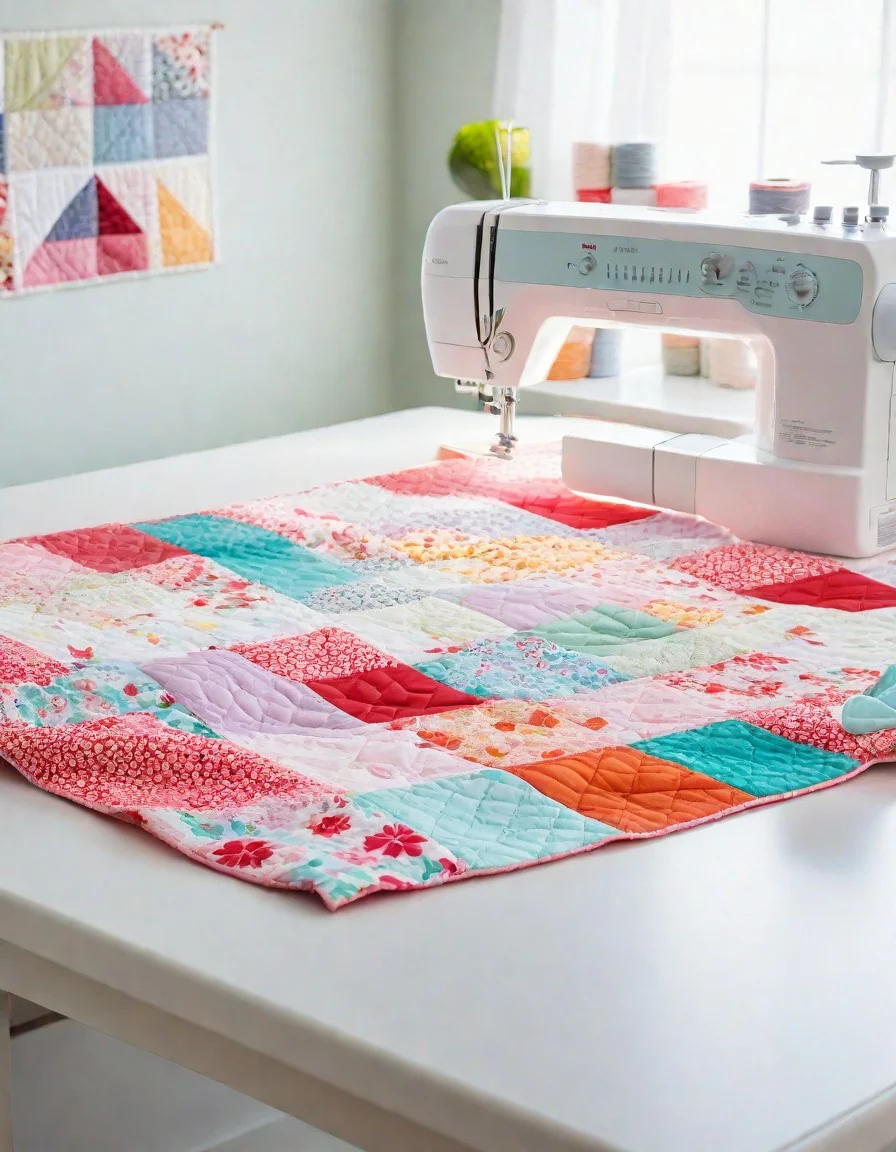
Ask a quilter how many projects they have going and watch them laugh: a quilt on the frame, two tops waiting for binding, a drawer of patterns, and a fabric stash that has quietly outgrown its shelving. These are UFOs — UnFinished Objects — and every quilter collects them. The question is how to keep track of all of it without the hobby turning into a source of guilt.
The answer quilters keep rediscovering is a dedicated paper planner: one place for projects, fabric, patterns, and costs.
Why Quilts Go Missing (It Is Not Lack of Love)
Projects stall for ordinary reasons: a tricky block, a missing yardage, life interrupting mid-quilt. Six months later you find the top and cannot remember which pattern it was, what size you intended, or whether you already bought the binding. Reconstruction takes longer than the quilting would have.
A project tracker fixes this by capturing the state of each quilt while you still know it: pattern, size, fabrics chosen, blocks done, next step. Future you inherits answers instead of mysteries. Include the pattern's location too — booklet shelf, digital folder, borrowed from a friend — because half of all UFO resurrection time is spent hunting the pattern, not sewing the blocks.

What Belongs in a Quilting Planner
A useful planner has five parts. First, a multi-project tracker — room for a dozen active projects with status per quilt. Second, a fabric inventory log so you know what the stash holds before buying duplicates. Third, a pattern index: which patterns you own and where they live. Fourth, block and yardage worksheets — structured fields to record your measurements and calculations. Fifth, the two accountability tools most planners skip: a UFO tracker and a cost-per-quilt log.
That last pair matters. The UFO list turns vague guilt into a finite queue you can work through. The cost log tells you what your quilts really cost — sobering, but essential if you ever sell or gift intentionally.
Paper Beats Apps in the Sewing Room
Quilting happens around cutting tables and irons, with rotary cutters in hand and fabric everywhere. A printable planner lives in a binder at the table, survives pencil annotations and coffee rings, and never demands a software update. Field-list pages you photocopy as needed beat any app's rigid database: copy another fabric inventory sheet when the stash grows, another tracker when project thirteen arrives.
The Gift and Legacy Angle
Organized quilting pays off beyond your own sewing room. A tracked project with its pattern, fabrics and story documented becomes a gift with provenance — the recipient learns who made it, from what, and why. Many quilters use the cost log and project notes to create labels for the quilt backs, turning anonymous blankets into documented family history. And when quilters downsize stashes or pass them on, the fabric inventory becomes a genuine bequest rather than a baffling pile. Your planner is quietly writing the history of your quilts while you make them.
How This Book Helps
The Quilters Project Planner is exactly this system: a twelve-project tracker you fill in, plus field-lists in the guide for fabric inventory, pattern index cards, block and yardage worksheets (fields to record your own figures), a UFO accountability tracker, and a cost-per-quilt log. Honest scope, printable forever. Find it in the books catalogue.
Planners love company: teachers swear by the Emergency Sub Plans Bundle for the same print-it-once logic at school, and the Cottagecore Recipe Cards bring heirloom organization to the kitchen.
Related articles
2027-03-31 · 3 min read
How to Log Fabric, Blocks and Costs: Setting Up Your Quilting Planner
A practical setup guide: take a fresh quilting planner from empty binder to working system in one sitting. You need the printed pages, a binder with…
Read article →2027-03-30 · 3 min read
Finish More of the Quilts You Start: Why a Twelve-Project Tracker Works
Every quilter knows the feeling: you start a quilt in a burst of love, stall at the borders, start something shinier — and a year later the unfinished…
Read article →2027-01-06 · 3 min read
How to Use the 50 Prompt Lines and First-Four-Weeks Plan
Buying an ideas book is easy. Using it is the hard part. This guide shows you how to work the two most practical features of an AI side-project…
Read article →